Palm Reading: Understanding Palmistry and the Meaning of Palm Lines
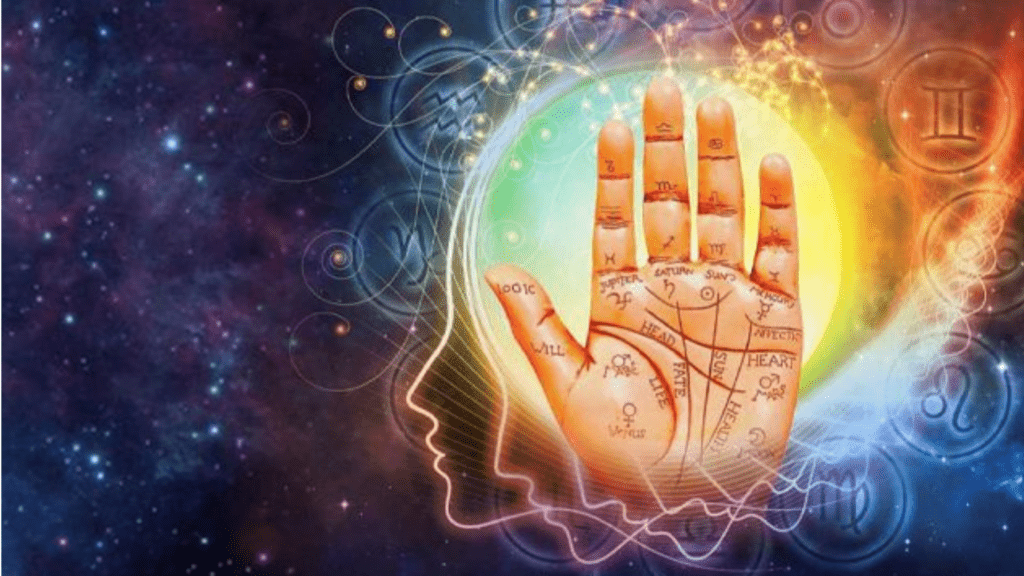
Palm reading, also known as palmistry or hand reading, is an ancient practice that has been followed in different cultures for centuries. It involves studying the features of the hand, including palm lines, finger shapes, mounts, and other markings, as part of traditional belief systems.
Across India and many other parts of the world, palmistry has been connected with spiritual traditions and forms of self-reflection. Many people explore palm reading to learn about the history, symbolism, and interpretations associated with different features of the hand.
What Is Palm Reading?
Palm reading is a traditional practice of examining the hand to interpret different symbols and patterns found on the palm. It is commonly known as palmistry, a term derived from the study of the palm and its features.
Traditional palm readers study different aspects of the hand, such as:
- The shape and structure of the palm
- The length and appearance of fingers
- The major palm lines
- The mounts and markings on the hand
Different cultures have developed their own interpretations of these features over time. While palmistry is considered a traditional belief system rather than a scientific method, it continues to be an important part of cultural and spiritual conversations.
How Did Palmistry Begin?
The history of palmistry dates back thousands of years. Ancient civilizations, including Indian, Chinese, Greek, and Egyptian cultures, developed their own methods of interpreting the hand.
In India, palmistry has been connected with traditional knowledge systems and is often studied along with Vedic astrology. Ancient texts and practices explored the relationship between human characteristics, planetary influences, and symbolic interpretations.
Over generations, palmistry evolved through different schools of thought, with practitioners developing unique approaches to understanding palm features.
Why Are Palm Lines Important in Palmistry?
Palm lines are one of the most recognised features studied in palmistry. Traditional interpretations associate different lines with different aspects of life and personality.
The commonly discussed palm lines include:
- Life Line
- Heart Line
- Head Line
- Fate Line
Each line has different symbolic meanings according to traditional palm reading practices.
What Does the Life Line Represent?
The life line is one of the most well-known lines in palmistry. It begins near the area between the thumb and index finger and curves around the base of the thumb.
In traditional palm reading, the life line is often associated with:
- Energy and vitality
- Personal experiences
- Major life changes
- Physical and emotional strength
It is important to note that traditional palmistry does not scientifically determine a person’s lifespan. Instead, the life line is viewed symbolically within the framework of palm reading traditions.
What Is the Meaning of the Heart Line?
The heart line is located near the upper section of the palm and is traditionally associated with emotions and relationships.
According to palmistry beliefs, this line is often interpreted in relation to:
- Emotional expression
- Personal connections
- Feelings and attitudes
- Relationship patterns
Different shapes and formations of the heart line have various interpretations in traditional hand reading practices.
What Does the Head Line Indicate?
The head line is another important feature studied in palmistry. It is traditionally connected with thinking patterns, learning abilities, and decision-making approaches.
Palmistry interpretations often associate the head line with:
- Intelligence
- Creativity
- Communication style
- Problem-solving abilities
The shape, length, and direction of the line are considered during traditional palm analysis.
What Is the Fate Line in Palmistry?
The fate line is a vertical line that may appear in the centre of the palm. Not everyone has a clearly visible fate line.
In traditional palm reading, this line is often associated with:
- Career journey
- Personal goals
- Life direction
- Ambitions
Different interpretations exist depending on the style of palmistry being followed.
Palm Reading and Modern Interest
Today, interest in palm reading, astrology, and traditional practices continues through books, online platforms, and cultural discussions.
Many people explore these topics out of curiosity, cultural connection, or interest in ancient traditions. The practice has also become part of popular culture through films, literature, and social conversations.
Modern discussions around palmistry often focus on its historical importance and symbolic meanings rather than viewing it only as a predictive practice.
Explore our services: https://keralabhagavathijyothishyamandira.in/services/
Frequently Asked Questions About Palm Reading
What is palm reading?
Palm reading is a traditional practice that involves studying palm features, including lines, shapes, and markings, to interpret symbolic meanings.
Is palmistry the same as astrology?
No. Palmistry focuses on hand features, while astrology studies celestial positions and their traditional interpretations. Both are separate practices.
What are the main palm lines?
The commonly discussed palm lines include the life line, heart line, head line, and fate line.
What does the life line mean in palmistry?
In traditional palmistry, the life line is associated with vitality, experiences, and personal energy. It does not scientifically determine lifespan.
Why is palmistry popular in India?
Palmistry has been part of Indian cultural traditions for generations and is often discussed alongside astrology and other traditional knowledge systems.