Negative Energy Removal: Traditional Spiritual Practices
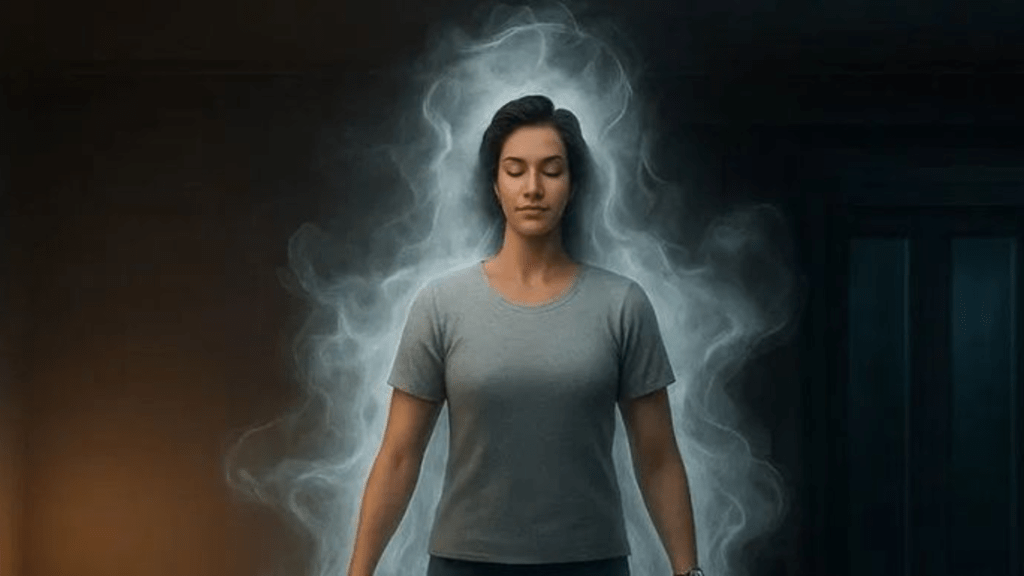
A peaceful home or workplace can have an important influence on how people experience their surroundings. Across Indian spiritual traditions, people have long followed various practices intended to create harmony, remove unwanted influences, and encourage a more positive atmosphere.
The concept of Negative Energy Removal is found in many spiritual and cultural practices. These may include prayer, meditation, Vastu principles, devotional rituals, purification practices, and maintaining a clean and peaceful environment.
https://keralabhagavathijyothishyamandira.in/services-description/#bla
What Is Negative Energy?
In spiritual and traditional contexts, “negative energy” is often used to describe an environment or state of mind associated with stress, conflict, fear, discomfort, or a general feeling of uneasiness.
People may feel that a home or workplace has become less peaceful after:
Frequent arguments
Prolonged stress
Major changes in life
Emotional difficulties
Lack of harmony within the household
A generally uncomfortable atmosphere
Different spiritual traditions interpret these experiences in different ways.
Traditional practices associated with Negative Energy Removal often focus on purification, prayer, positive thoughts, spiritual discipline, and creating harmony within the surrounding environment.
Traditional Practices for Negative Energy Removal
There are several traditional approaches that people may use as part of their spiritual routines.
1. Prayer and Devotion
Prayer is one of the simplest traditional spiritual practices.
Regular prayer can provide a structured opportunity for reflection, gratitude, and devotion. Many families maintain daily prayer routines in their homes as a way of creating a peaceful spiritual atmosphere.
2. Mantras and Chanting
Mantra chanting has an important place in several Indian spiritual traditions. Repeated chanting can create a focused and contemplative routine. Many people incorporate mantras into their daily prayers or meditation practices.
Traditional practitioners may recommend particular mantras according to an individual’s spiritual beliefs or circumstances.
3. Meditation
Meditation is another practice that can support a peaceful environment. Unlike rituals that focus primarily on the surroundings, meditation turns attention inward.
A simple meditation routine may involve:
Sitting comfortably
Reducing distractions
Focusing on breathing
Observing thoughts without immediately reacting to them
Returning attention to the chosen point of focus
Meditation is not traditionally considered a replacement for professional help when someone is experiencing significant emotional or mental-health difficulties. Instead, it can be incorporated into a broader personal wellness routine.
4. Keeping the Home Clean and Organized
A clean and organized environment is valued in many Indian traditions.
Traditional approaches to creating a positive environment often emphasize:
Clean surroundings
Proper ventilation
Natural light
Organized spaces
A dedicated prayer area
Removing unnecessary clutter
Even without a spiritual interpretation, maintaining an orderly environment can make a space feel more comfortable and welcoming.
5. Vastu Principles
Vastu Shastra is a traditional Indian system concerned with the relationship between buildings, spaces, directions, and occupants.
People who follow Vastu may consider factors such as:
Direction
Placement of rooms
Entrance location
Natural light
Air circulation
Placement of objects
Arrangement of living spaces
Vastu for Positive Energy is often discussed in relation to creating balance and harmony within a home or workplace.
Vastu recommendations can vary according to tradition and practitioner, so individuals interested in applying them may seek guidance from a knowledgeable practitioner.
6. Lighting a Traditional Lamp
Lighting a lamp has deep significance in many Indian spiritual traditions. A lamp may be lit during morning or evening prayers as a symbol of light, knowledge, devotion, and positivity. For many households, the practice is less about a physical “energy removal” process and more about establishing a regular spiritual routine.
A quiet evening prayer accompanied by lighting a lamp can create a sense of ritual and calm within the home.
Can Vastu Help Create a Positive Environment?
People who follow Vastu Shastra may use its principles when arranging homes, offices, and other spaces. Traditional Vastu consultations may examine aspects such as the direction of the entrance, room placement, orientation, and overall layout.
When Should You Consider a Spiritual Consultation?
Some people seek spiritual guidance when they feel that repeated difficulties, discomfort, or lack of harmony are affecting their environment.
A traditional spiritual consultation may involve discussing:
Personal concerns
Family circumstances
Home environment
Vastu considerations
Astrology
Spiritual practices
Prayer or devotional options
A consultation should be approached as a traditional spiritual service and not as a substitute for medical, psychological, legal, or financial professional advice when such help is needed.
Frequently Asked Questions:
1. What is Negative Energy Removal?
Negative Energy Removal is a term commonly used in spiritual and traditional contexts for practices believed to help create a more peaceful and harmonious environment. These practices may include prayer, meditation, mantra chanting, Vastu, and devotional rituals.
2. What are some traditional Negative Energy Removal remedies?
Traditional practices may include prayer, lighting lamps, mantra chanting, meditation, maintaining a clean home, devotional rituals, and certain Vastu-based practices.
3. Can Vastu help create positive energy?
According to traditional Vastu beliefs, the arrangement and orientation of a space can influence harmony and balance. Vastu is a traditional system rather than a scientifically established method for controlling physical energy.
4. Does burning incense remove negative energy?
Incense is traditionally used during prayer and spiritual ceremonies. While it may contribute to the atmosphere of a devotional space, there is no scientific evidence that incense physically removes a form of “negative energy.”
5. Can prayer help create a positive environment?
Prayer can provide a meaningful routine for devotion, gratitude, reflection, and calm. Its significance depends on an individual’s spiritual beliefs and practices.
Conclusion
The idea of negative energy has a long presence in spiritual and cultural traditions. Traditional approaches to Negative Energy Removal may include prayer, mantra chanting, meditation, Vastu principles, devotional rituals, lighting lamps, maintaining clean surroundings, and creating peaceful daily routines.
There is no scientifically established method for measuring or physically removing “negative energy.” However, spiritual practices can have personal and cultural significance for people who follow them.