
Vastu Tips for Home & Office
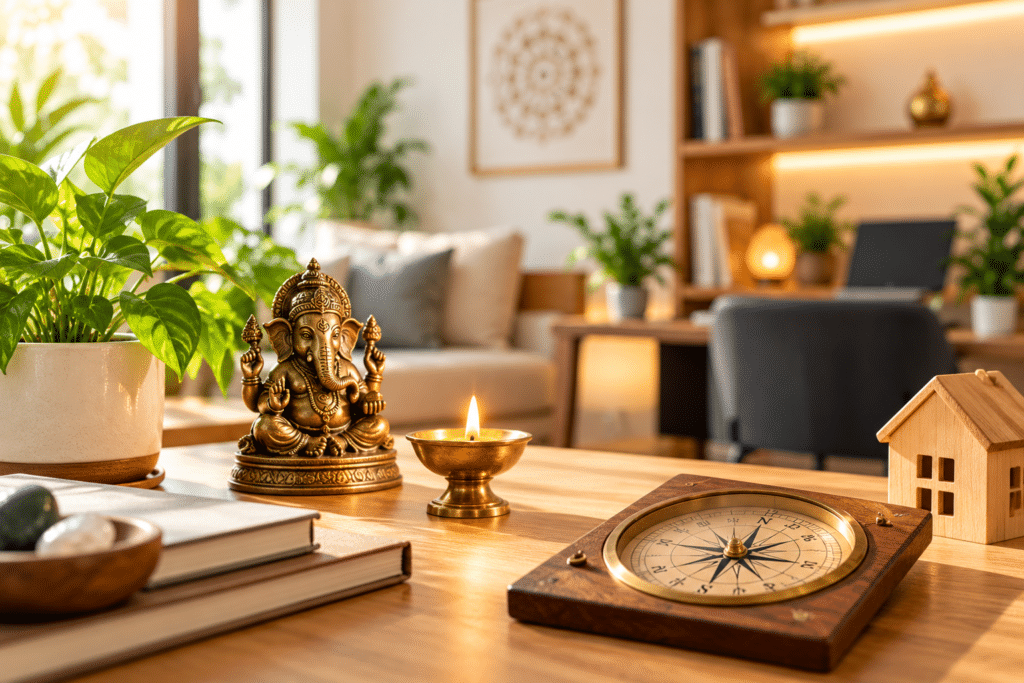
Vastu is an ancient Indian architectural and spatial planning tradition that focuses on the arrangement and use of spaces. Many people consider Vastu tips when designing a new home, purchasing a property, arranging an office, or making changes to an existing space.
Whether you are planning a house or setting up a workplace, simple Vastu principles can help you think carefully about directions, room placement, entrances, natural light, ventilation, and the overall organization of your space.
What Is Vastu?
Vastu Shastra is a traditional Indian system associated with architecture and spatial planning. It considers factors such as directions, layout, proportions, entrances, and the placement of different spaces within a property.a
Why Do People Follow Vastu Tips?
People may consider Vastu for different reasons, including:
-
Planning a new home
-
Choosing a property
-
Designing an office
-
Arranging rooms and furniture
-
Planning entrances
-
Improving natural light and ventilation
-
Creating an organized living or working environment
Vastu preferences can differ depending on the individual, property, tradition, and practitioner’s approach.
Vastu Tips for Home
Your home is where you spend a significant amount of your time. When planning or arranging your home, you can consider basic Vastu principles along with practical requirements such as safety, ventilation, lighting, and functionality.
1. Consider the Main Entrance
The main entrance is an important element in traditional Vastu planning.
When designing a new home, the entrance direction and placement can be considered as part of the overall floor plan.
2. Keep the Entrance Clean and Organized
A simple practical Vastu tip is to keep the entrance area clean, well-lit, and free from unnecessary clutter.
An organized entrance can make the space feel welcoming and easier to maintain.
3. Plan the Living Room Carefully
The living room is generally one of the most active areas of a home.
Consider:
-
Good natural lighting
-
Adequate ventilation
-
Comfortable furniture placement
-
Clear walking space
-
Minimal clutter
Traditional Vastu practitioners may also consider the direction and placement of the living room when evaluating a home.
4. Consider the Kitchen Direction
The kitchen is another important area in traditional Vastu planning.
Many Vastu approaches pay particular attention to the direction of the kitchen and the placement of cooking appliances.
5. Keep the Bedroom Comfortable
Bedrooms should be designed primarily for rest and privacy.
Useful practical considerations include:
-
Comfortable bed placement
-
Good ventilation
-
Appropriate lighting
-
Reduced clutter
-
Minimal noise
-
Comfortable temperature
If you follow Vastu principles, you can also consider traditional recommendations regarding bedroom direction and bed placement.
Vastu Tips for Office
Vastu principles are also considered by some business owners when designing offices.
Along with traditional Vastu preferences, an office should provide employees with a comfortable, safe, accessible, and productive working environment.
Vastu Tips for Business Success
Many business owners consult Vastu practitioners with the intention of creating a positive and harmonious workplace.
Traditional Vastu consultations may examine:
-
- Office entrance
- Owner’s cabin
- Employee seating
- Reception
- Meeting room
- Cash or accounts area
- Storage
- Equipment placement
Vastu should be viewed as a traditional planning practice rather than a guaranteed method for business success. Business performance also depends on factors such as strategy, customers, employees, finances, operations, and market conditions.
Frequently Asked Questions:
1. What are Vastu tips?
Vastu tips are traditional guidelines related to the arrangement, direction, and planning of spaces such as homes and offices. They may cover entrances, rooms, furniture, directions, and other aspects of a property.
2. What are the basic Vastu tips for a home?
Basic Vastu considerations may include the main entrance, room placement, kitchen direction, bedroom arrangement, prayer space, natural light, ventilation, and keeping the home organized.
3. What are the best Vastu tips for an office?
Common office Vastu considerations include the entrance, reception, seating arrangement, owner’s cabin, work desks, meeting room, storage, and the overall layout of the office.
4. Can Vastu tips be applied to an existing home?
Yes. Depending on the situation, some people apply Vastu principles through furniture placement, decluttering, lighting, room organization, and other non-structural changes.
5. Is Vastu scientifically proven?
Vastu is a traditional Indian architectural and spatial planning practice. Many people follow it for cultural or personal reasons, but specific claims that Vastu directly causes wealth, health, or business success should not be treated as scientifically established facts.
Conclusion
Following Vastu tips can be a meaningful part of planning a home or office for people who value traditional Indian spatial practices.
The most useful approach is to consider Vastu alongside practical requirements such as safety, ventilation, natural lighting, accessibility, comfort, and structural integrity.
Whether you are planning a new property or looking to improve an existing space, a personalized consultation can provide guidance based on the actual layout rather than generic rules.